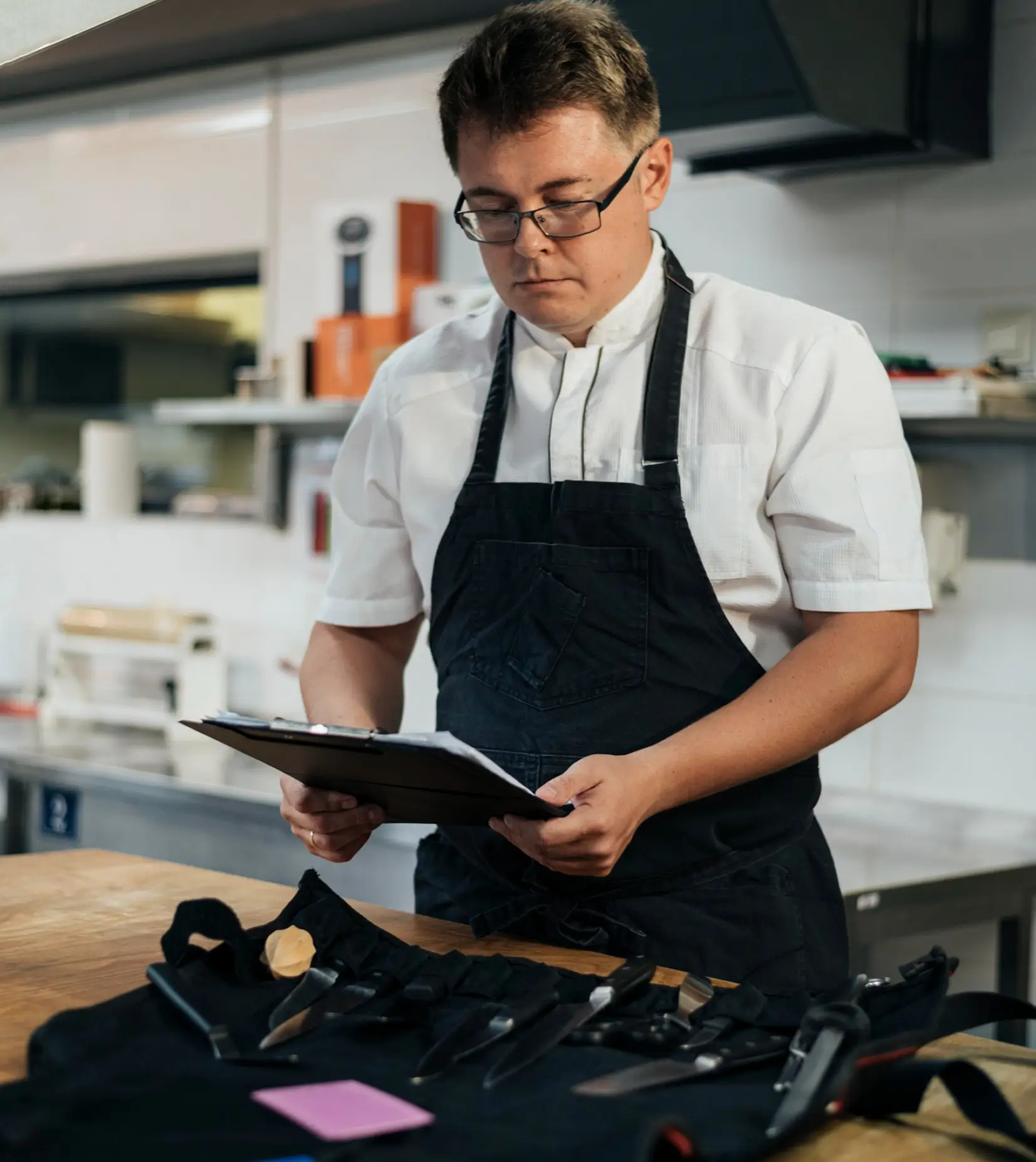
The Art of Seasonal Menu Writing
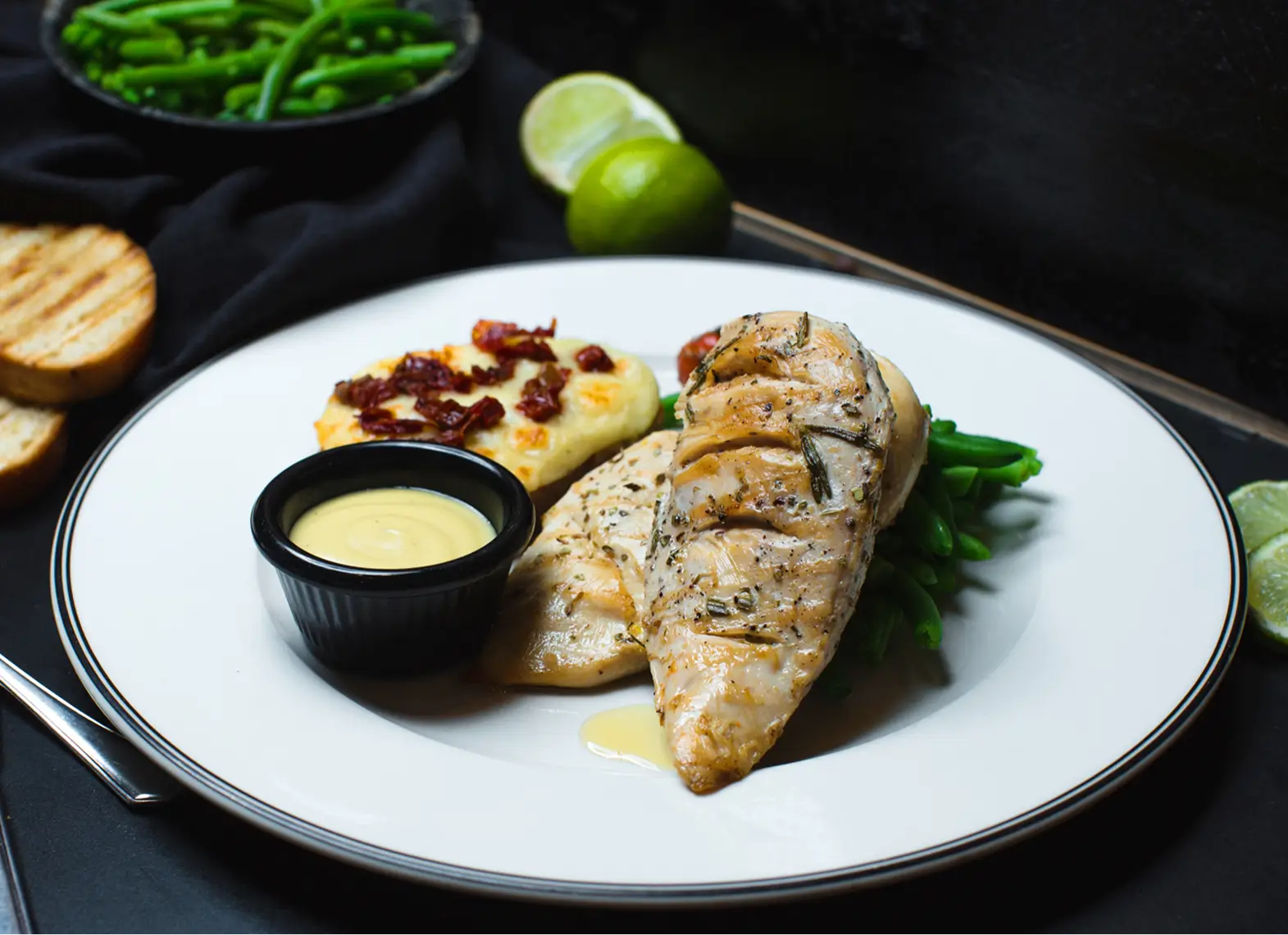
The menu changes with the seasons at Forken — not because it is fashionable, but because a tomato in August and a tomato in February are fundamentally different ingredients.
Listening to What the Season Offers
In early spring, the first asparagus arrives thin and intensely flavoured — nothing like the thick, woody spears of late season. We build a course around them, pairing them with a warm hollandaise and shaved bottarga to amplify their sweetness. A month later, they are gone from the menu.
This responsiveness requires a different relationship with suppliers. We meet our vegetable farmers weekly, tasting what is at peak rather than ordering from a fixed list. It keeps the kitchen alive, constantly learning and adapting.
The Architecture of a Tasting Menu
A tasting menu is a narrative. It should have a beginning, a middle, and a resolution. We think carefully about the arc of flavour: light and delicate at the start, building through umami richness in the middle courses, then a brief savoury-sweet bridge before the descent into dessert.
Every menu tells a story. The season writes the first draft; the kitchen refines it.
The current autumn menu opens with a single oyster on a bed of compressed cucumber — clean, oceanic, a clearing of the palate. By the seventh course, we are deep in the forest: venison, morel, blackcurrant. The contrast is intentional.
Culinary Notes
Where passion meets the plate — and stories are shared.