The Craft of Pastry: Precision and Patience
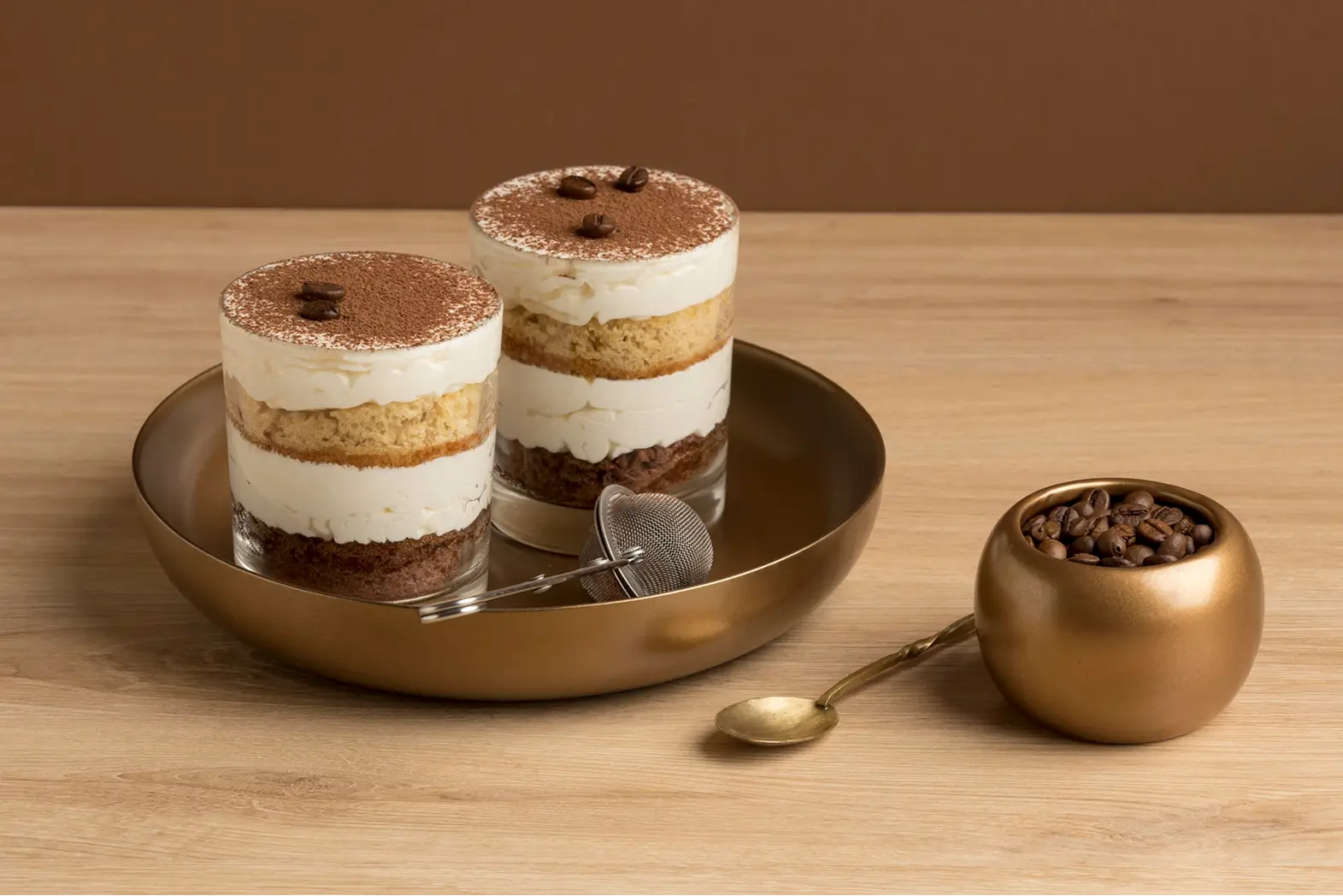
In the savoury kitchen, a skilled cook can taste, adjust, and recover mid-preparation. In pastry, the chemistry is more unforgiving. The margin for error in a properly laminated croissant dough or a perfectly tempered couverture is measured in degrees and grams.
The Importance of Temperature
Chocolate tempering is perhaps the clearest illustration of why pastry demands precision. Bring dark couverture to 50°C to melt it fully, then cool to 27°C to form stable crystals, then raise to 31°C for working temperature. A deviation of two degrees in either direction and you lose the gloss, the snap, the silky mouthfeel that defines great chocolate work.
We calibrate our thermometers weekly. The pastry section runs three degrees cooler than the rest of the kitchen.
Restraint as a Design Principle
The most common mistake I see in pastry is excess — too many components, too many flavour notes, too much visual noise. Our Valrhona chocolate soufflé has four components: the soufflé base, a vanilla anglaise, a single quenelle of crème fraîche, and a dusting of Maldon. Nothing more. The discipline is in knowing when to stop.
A dessert should feel like a conclusion. Not a firework display — a quiet resolution that makes the meal complete.
Culinary Notes
Where passion meets the plate — and stories are shared.